First-Year Robotics Education
Building a process to pass the club's knowledge to the next generation
Overview
This project built the robotics club’s education for new members as a complete process. I designed what to teach, in what order, and with which materials, and at the core of it I wrote an educational textbook of over 300 pages together with the manual for a learning kit. The club had a chronic problem: seniors’ knowledge never reached their juniors, and the club’s technical level dropped with every generational turnover. This project solved that with a system.
Background
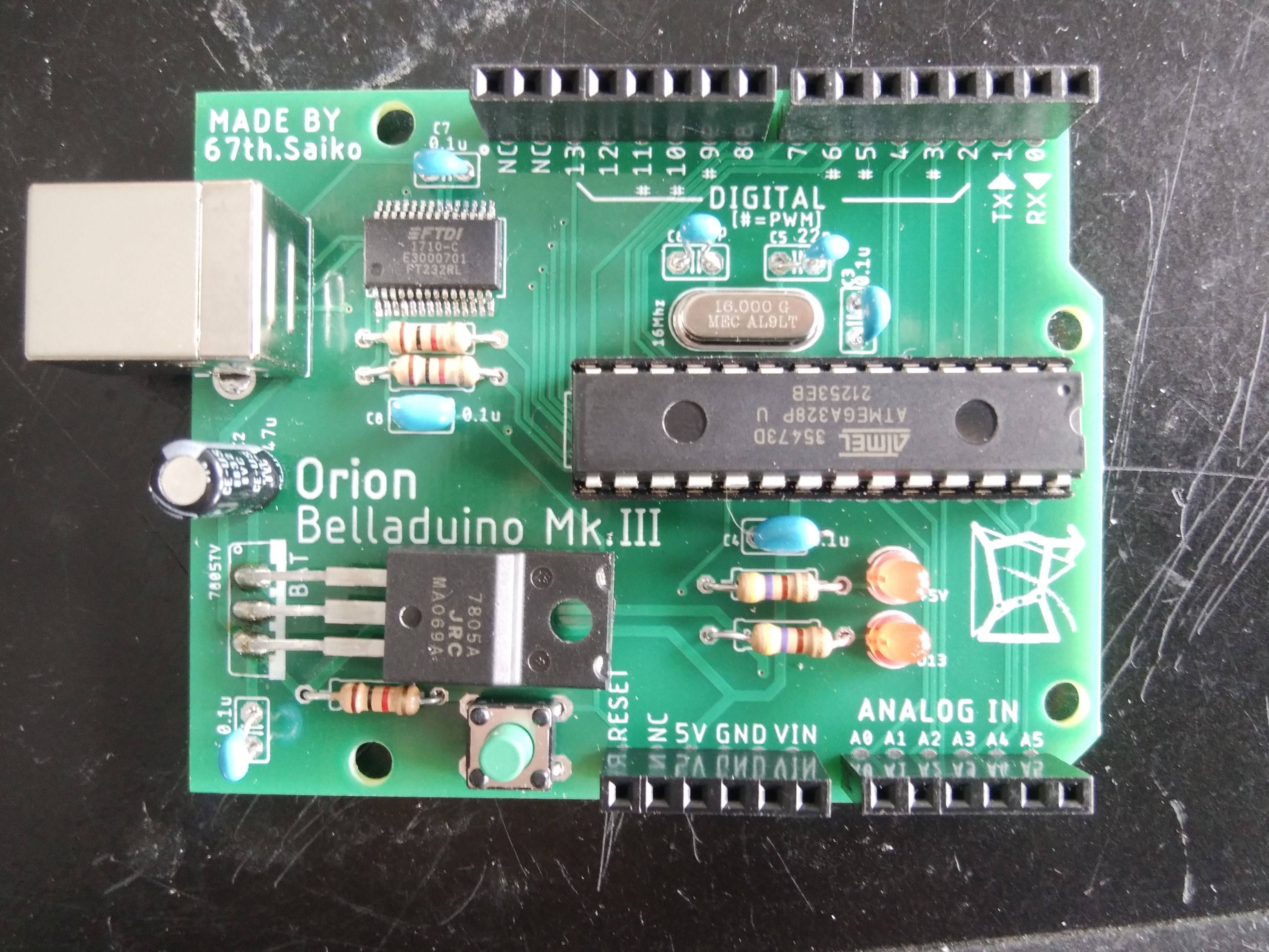 The learning kit's custom board, the Belladuino Mk.Ⅲ
At the time, the club had no mechanism for handing knowledge down. The design and implementation know-how we had worked hard to acquire while developing Bellatrix was lost each time members moved on, and juniors relearned nearly identical material from zero. I watched the same situation repeat every year and felt how wasteful it was. When club activities stopped during the COVID-19 school closure, I decided to put that time into building an education system, and set to work with a few classmates.
The training process I designed
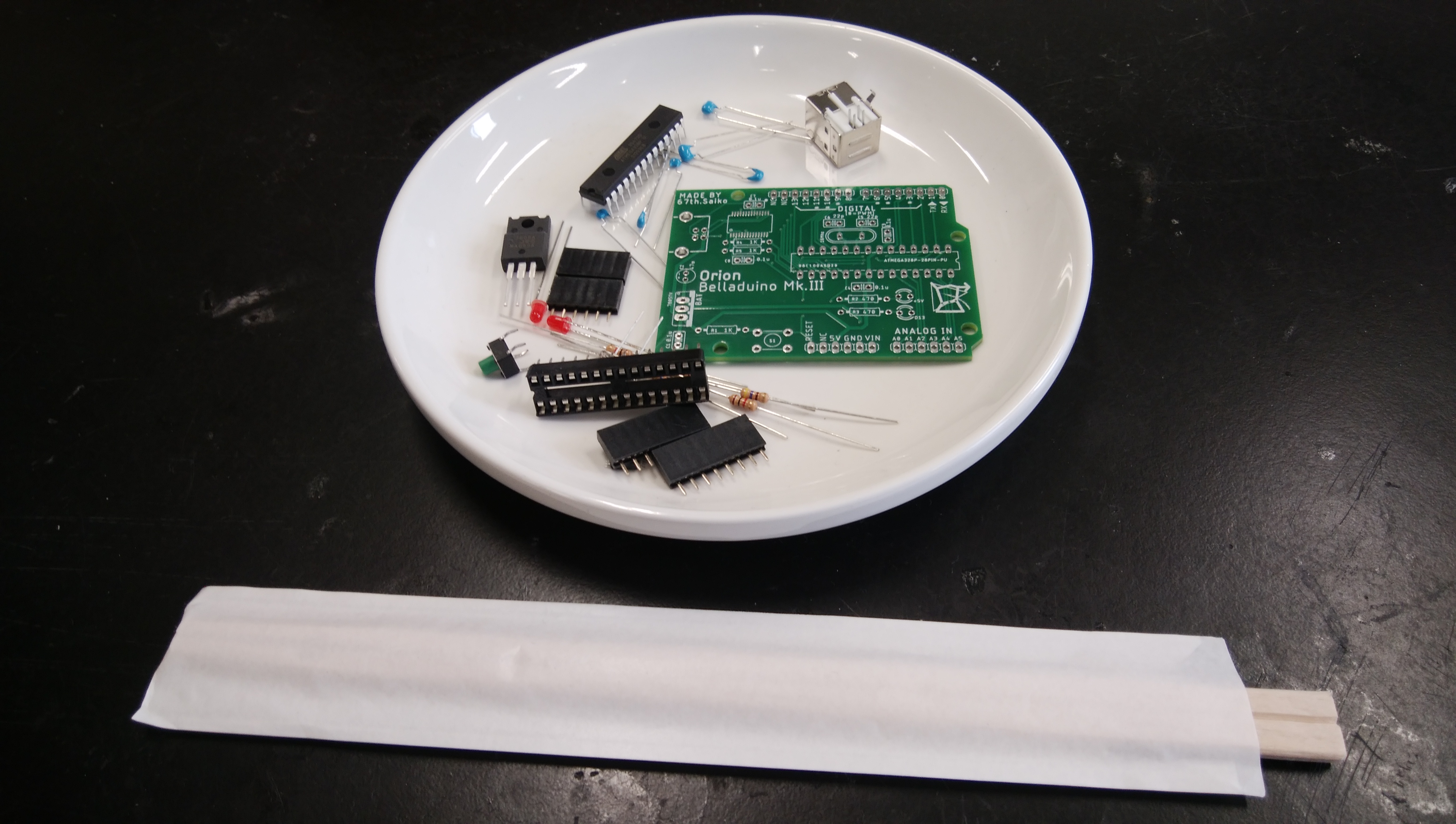 The learning kit's full set of parts. New members hand-solder the Belladuino, a custom Arduino board built entirely from DIP components
I started with the path itself: what a new member needs to learn, and in what order, between joining and becoming a working contributor to development. I then prepared a learning kit that follows that path, and wrote its manual along with the textbook of over 300 pages. It was not an assemble-and-done instruction sheet; the material was structured so readers also absorb the surrounding knowledge of why each step is done the way it is. The kit itself was designed down to the details so the necessary knowledge could be acquired efficiently and without waste. Learning begins with soldering a custom Arduino board that uses DIP packages for every single component.
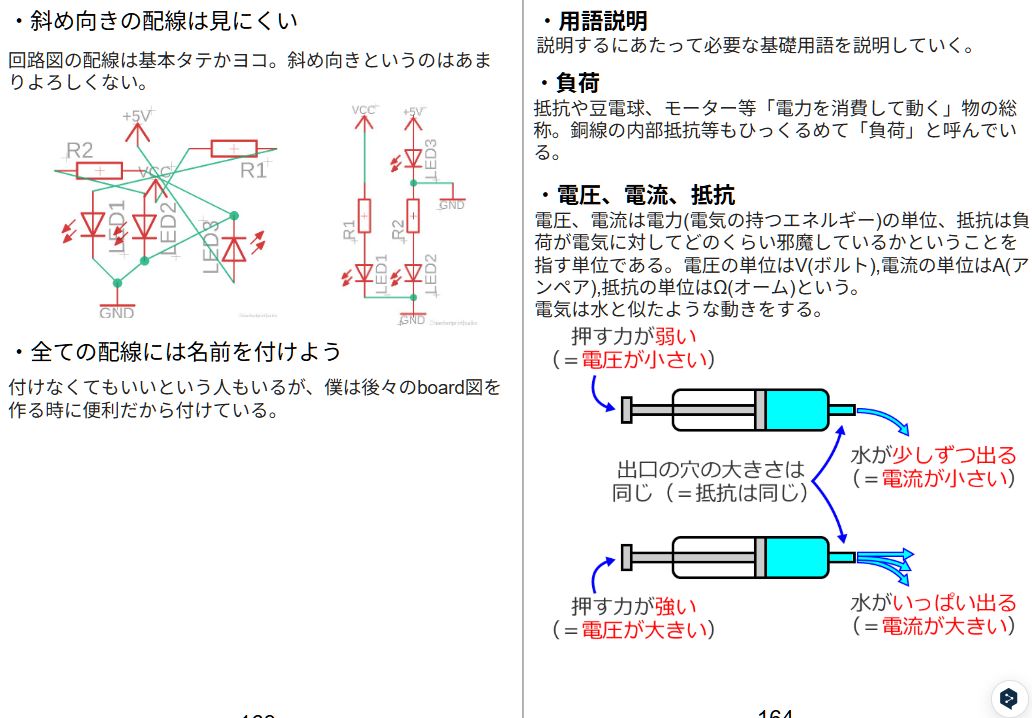 A page from the textbook, explaining voltage, current, and resistance with a water-in-a-syringe analogy
What I struggled with most in the writing was the premise that the reader is a first-year junior high school student. The background knowledge I took for granted, the reader has none of. I kept imagining where a reader would stall and placed explanations ahead of those points. Writing the material taught me that making teaching material begins with imagining the reader.
Since it was a joint effort among several people, this was also where I learned to divide roles and manage progress.
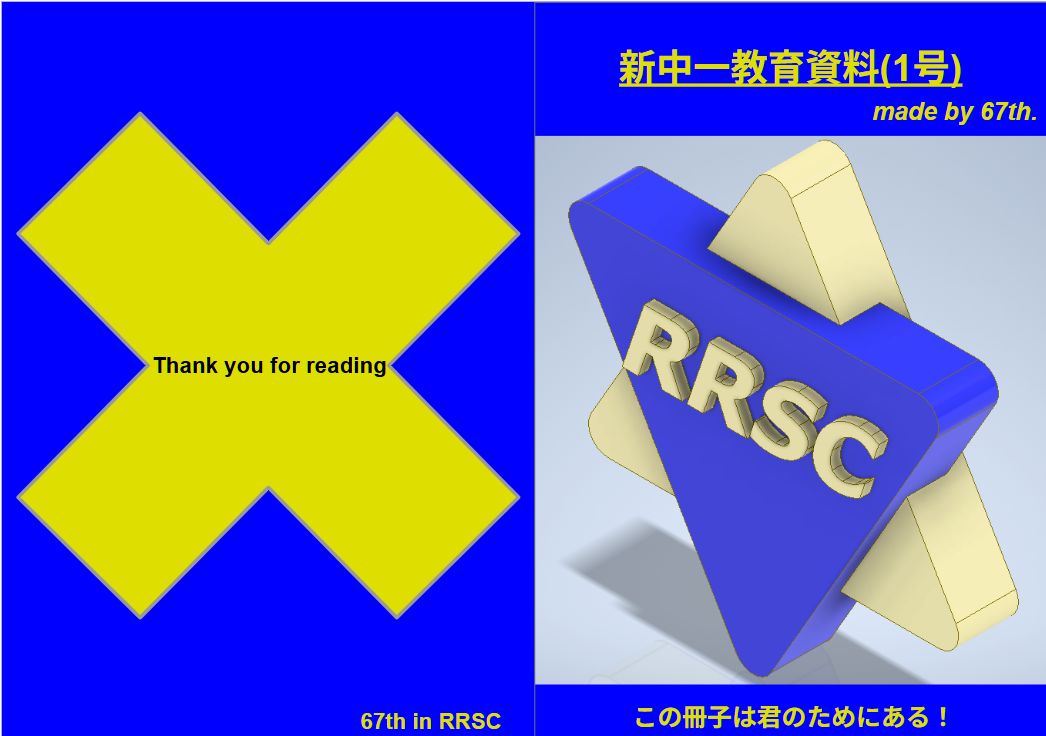 Front and back covers of the textbook
 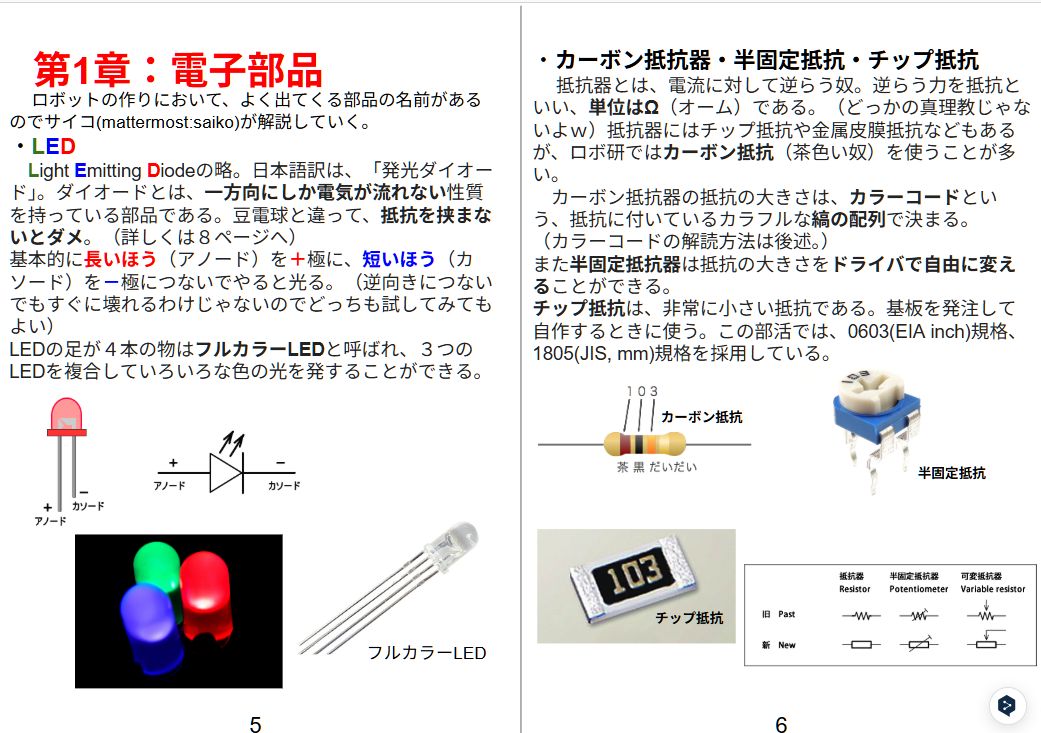 Chapter 1, introducing electronic components such as LEDs and resistors
 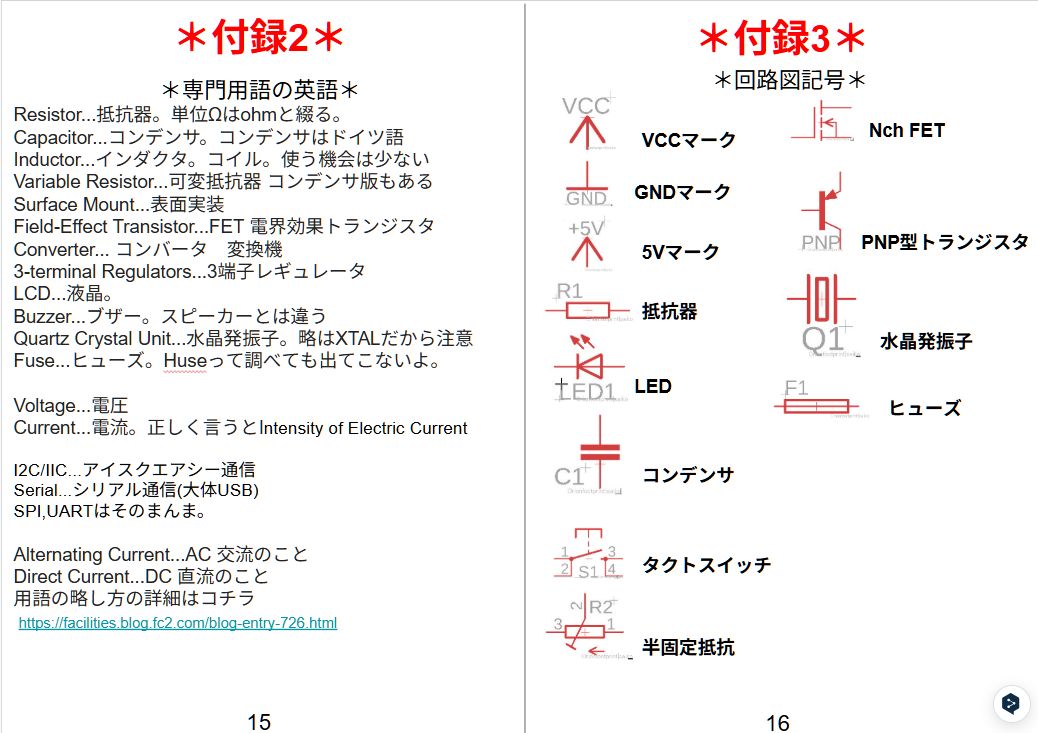 Appendix: English equivalents of technical terms and schematic symbols
 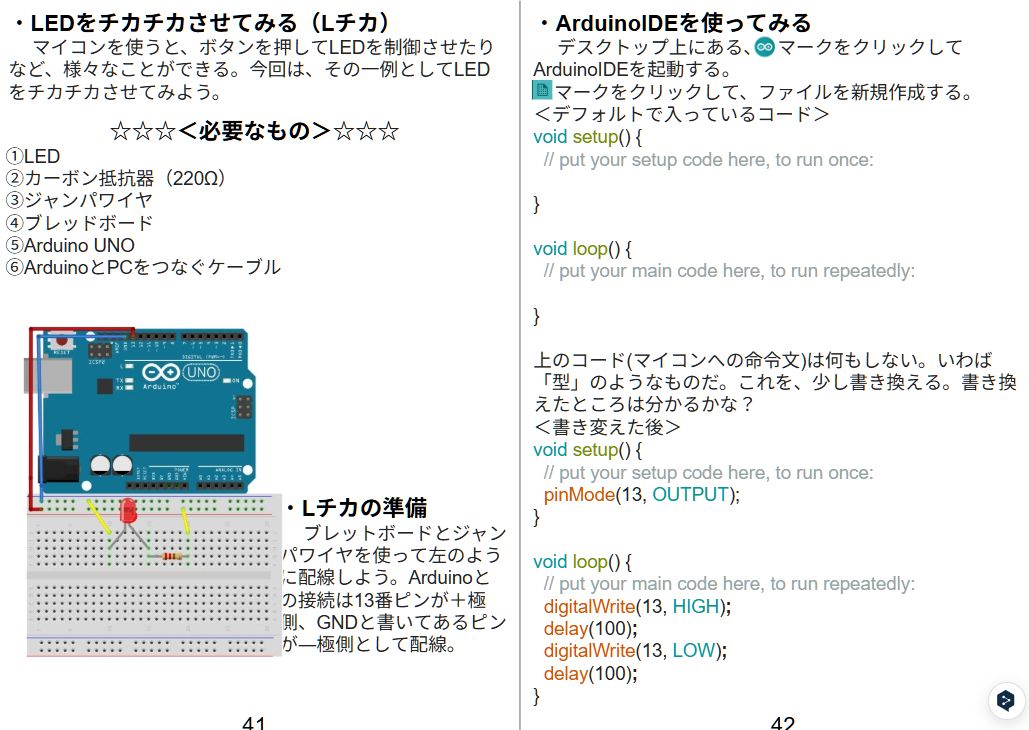 Introducing the Arduino, with wiring diagrams and code explained
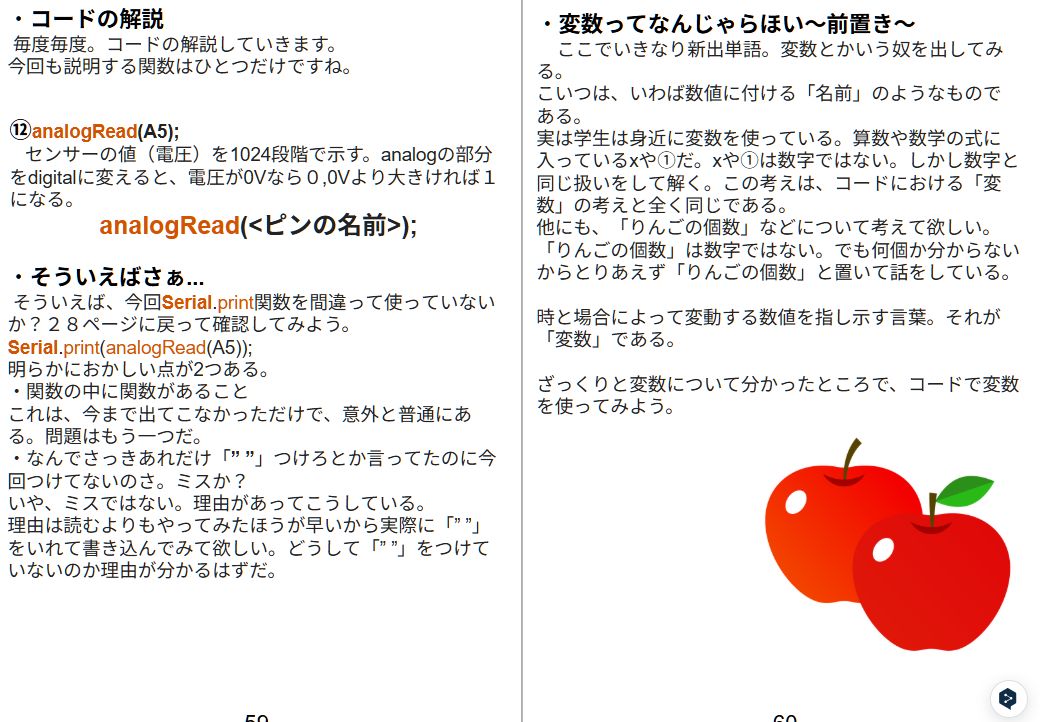 Programming basics: an explanation of variables
 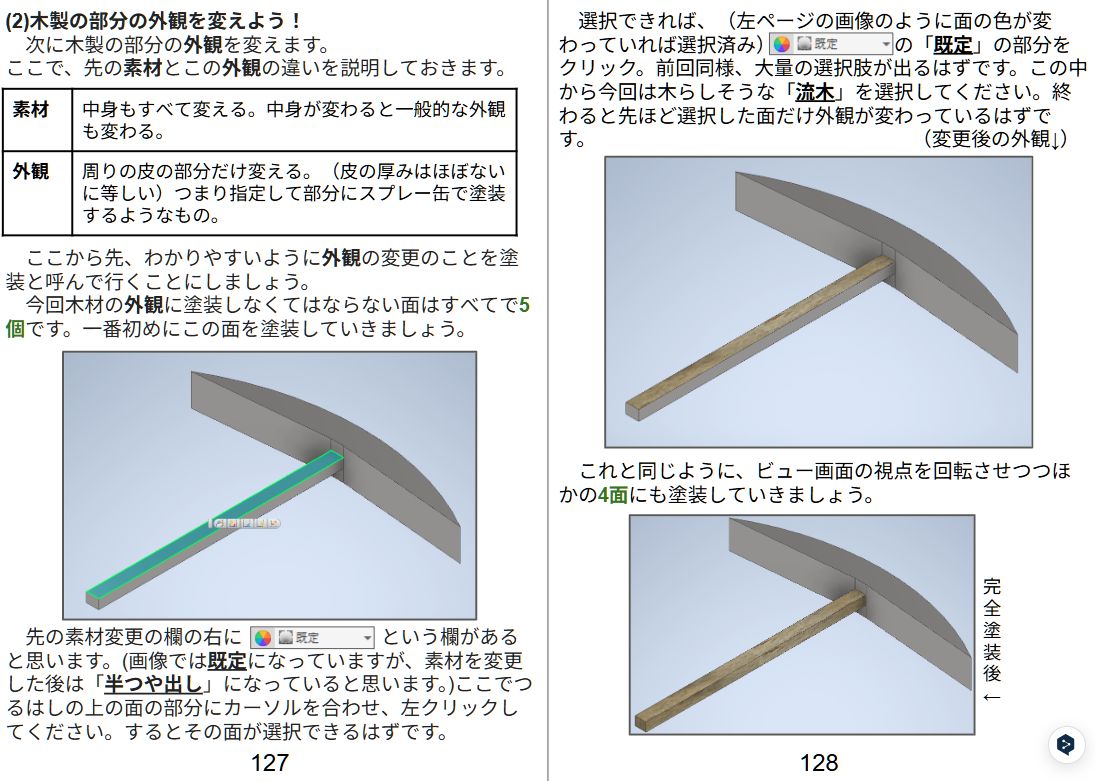 3D CAD operation in Inventor
 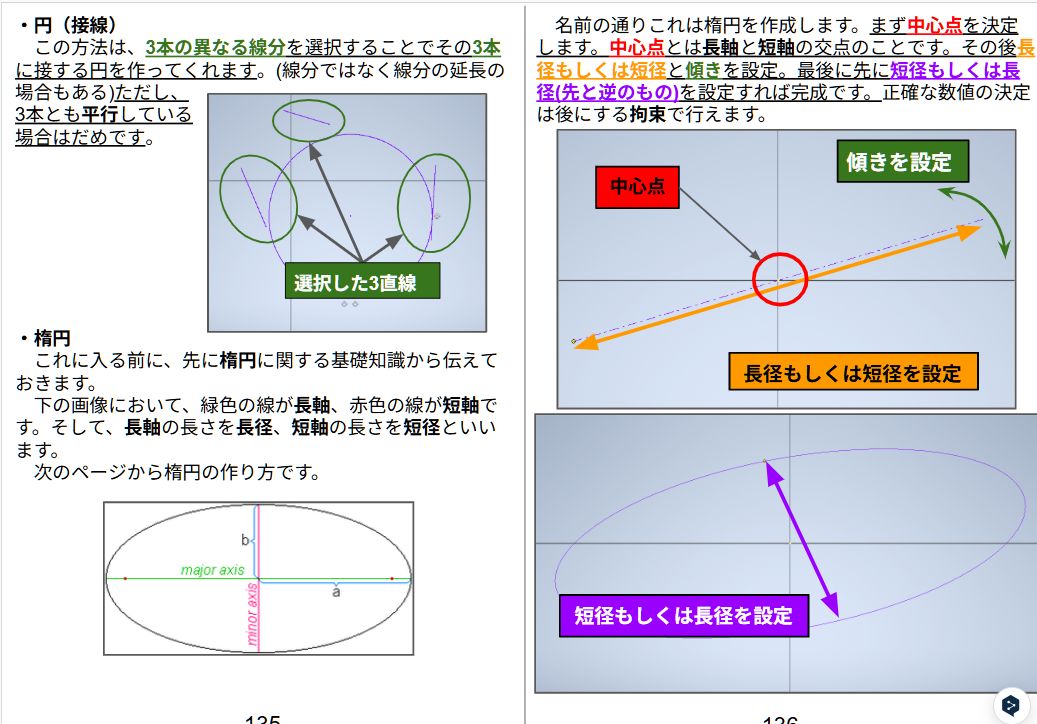 The CAD sketch feature explained
 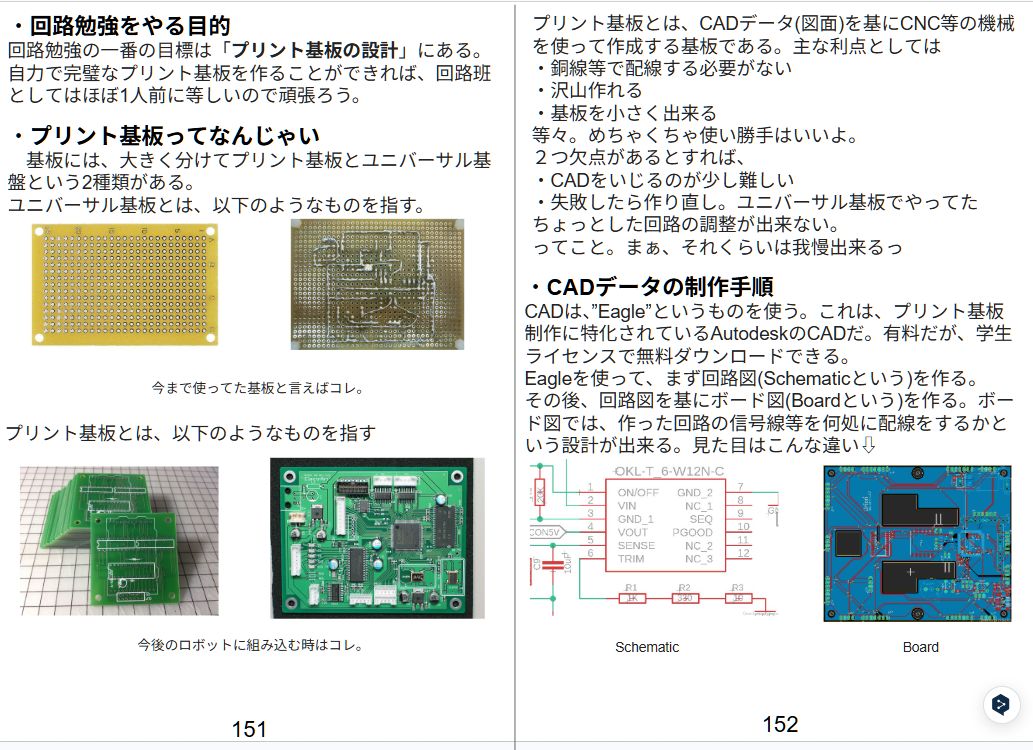 Why we study circuits, with an introduction to Eagle
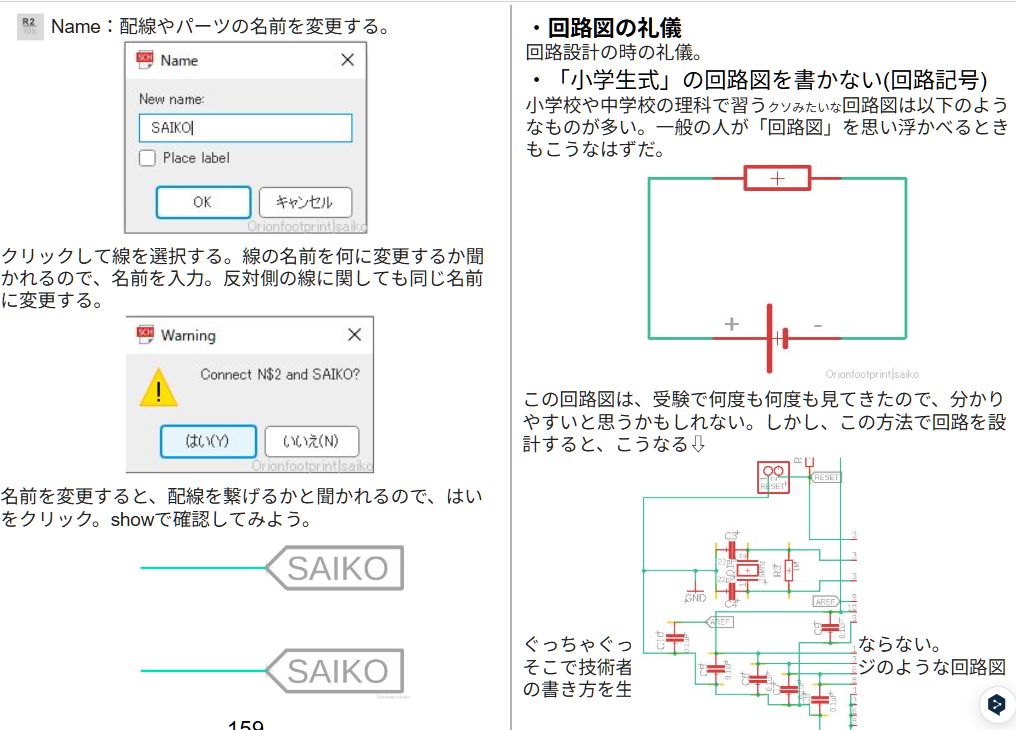 Conventions for drawing schematics
 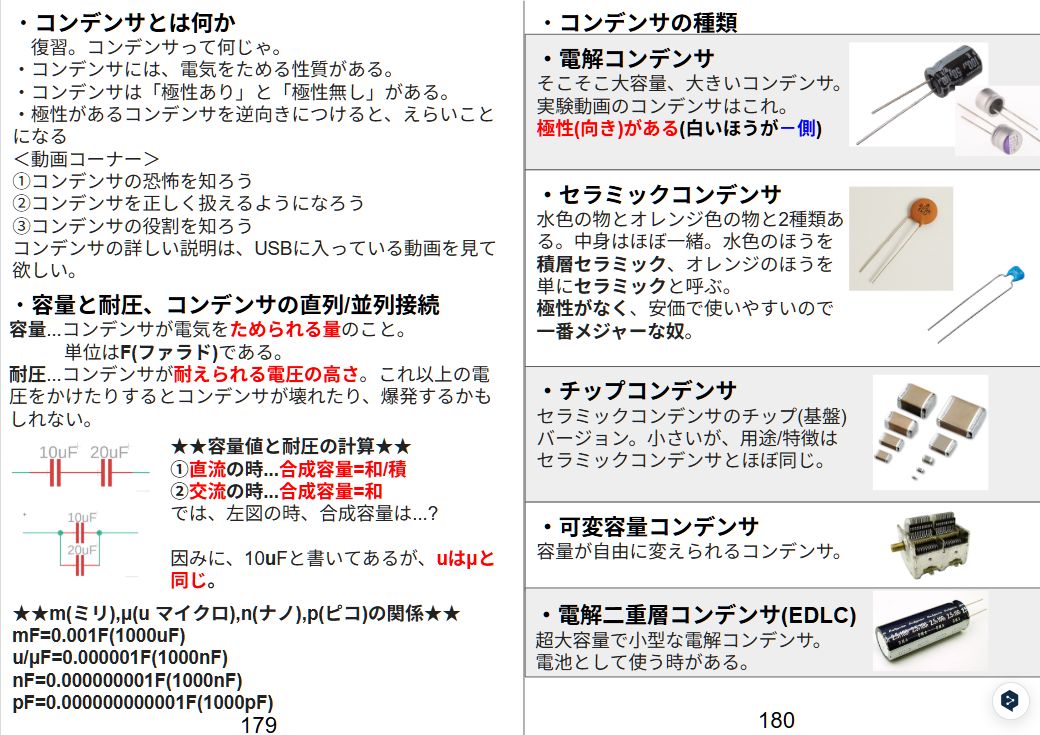 Capacitor types and how to use them
 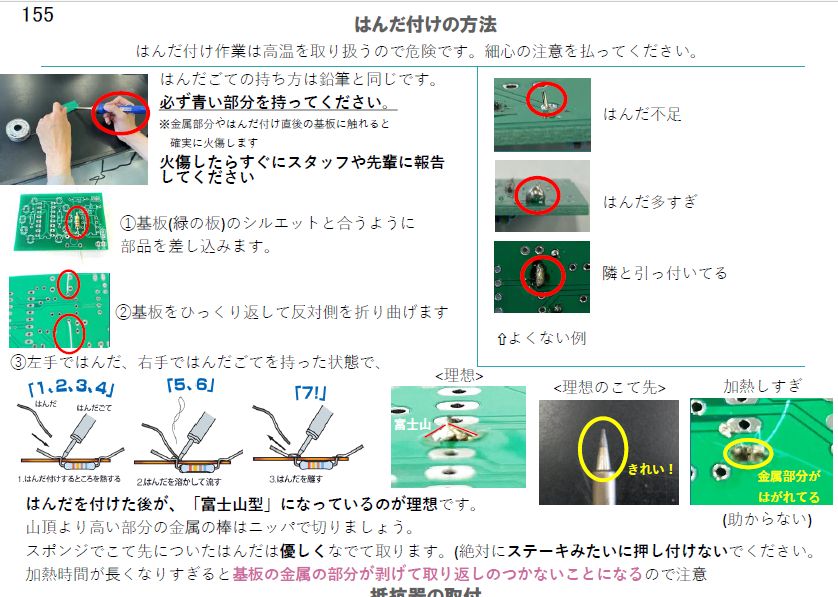 A page from the step-by-step soldering guide
  A stack of printed teaching materials
Results
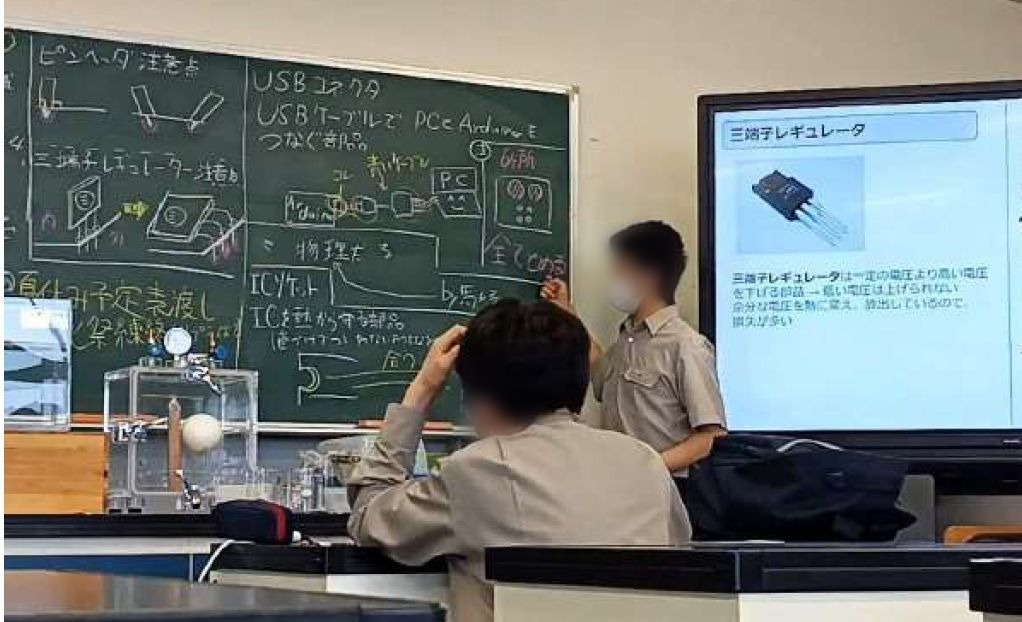 Explaining components at the blackboard
With this system in place, juniors could start development already carrying their seniors’ knowledge, and the club began producing members who reached national competitions. It was the experience of turning knowledge that had lived in individuals into an asset of the whole club. The teaching methods I acquired here have served me since, in a ROS 2 lecture at Pusan National University and in collaborative development at my current company.
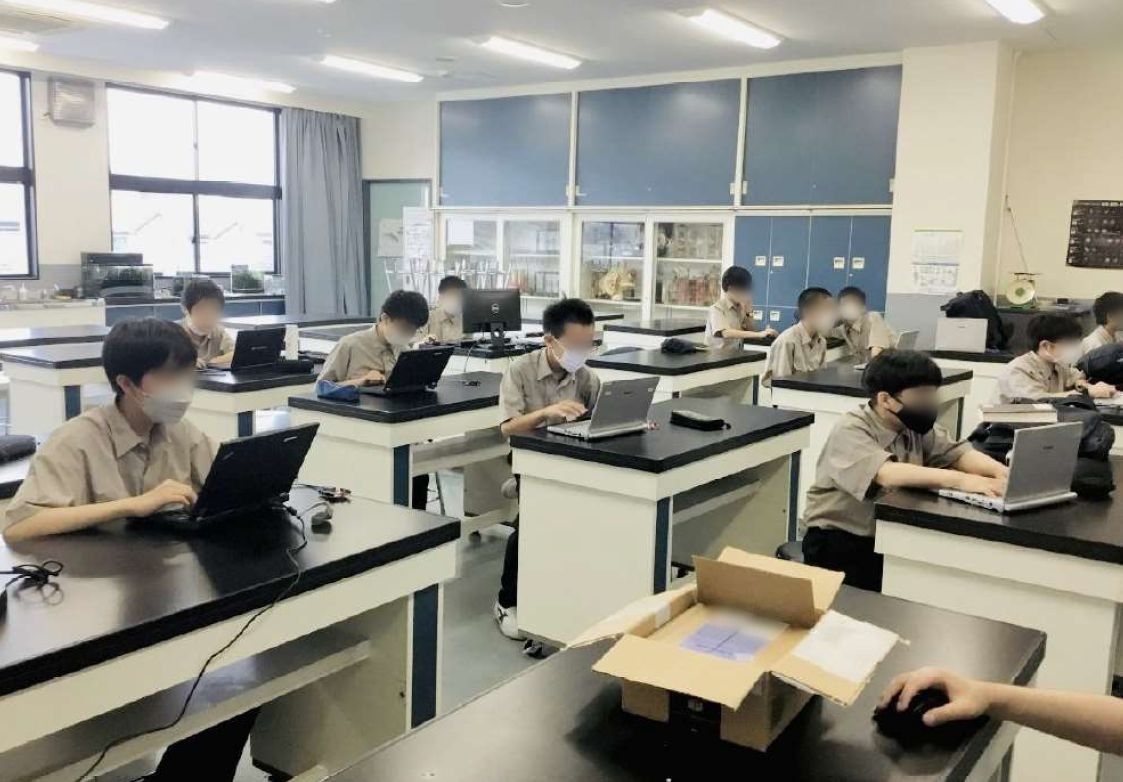
A lesson using the learning kit 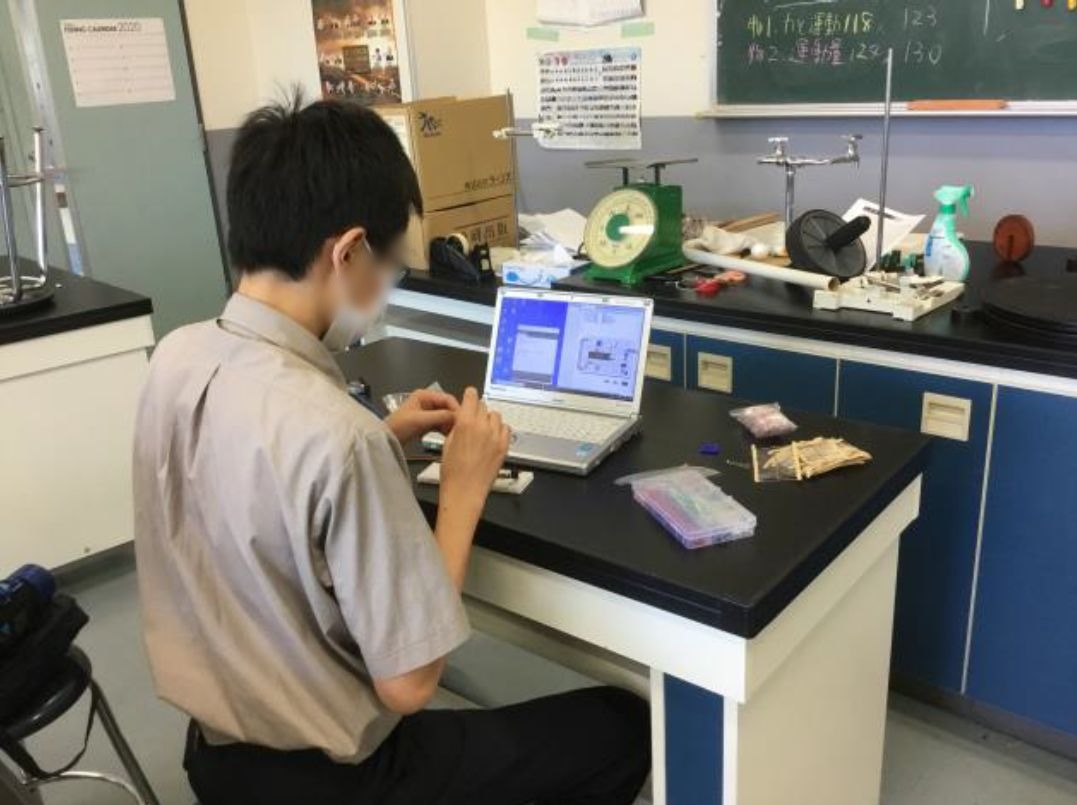 New members assembling the kit
 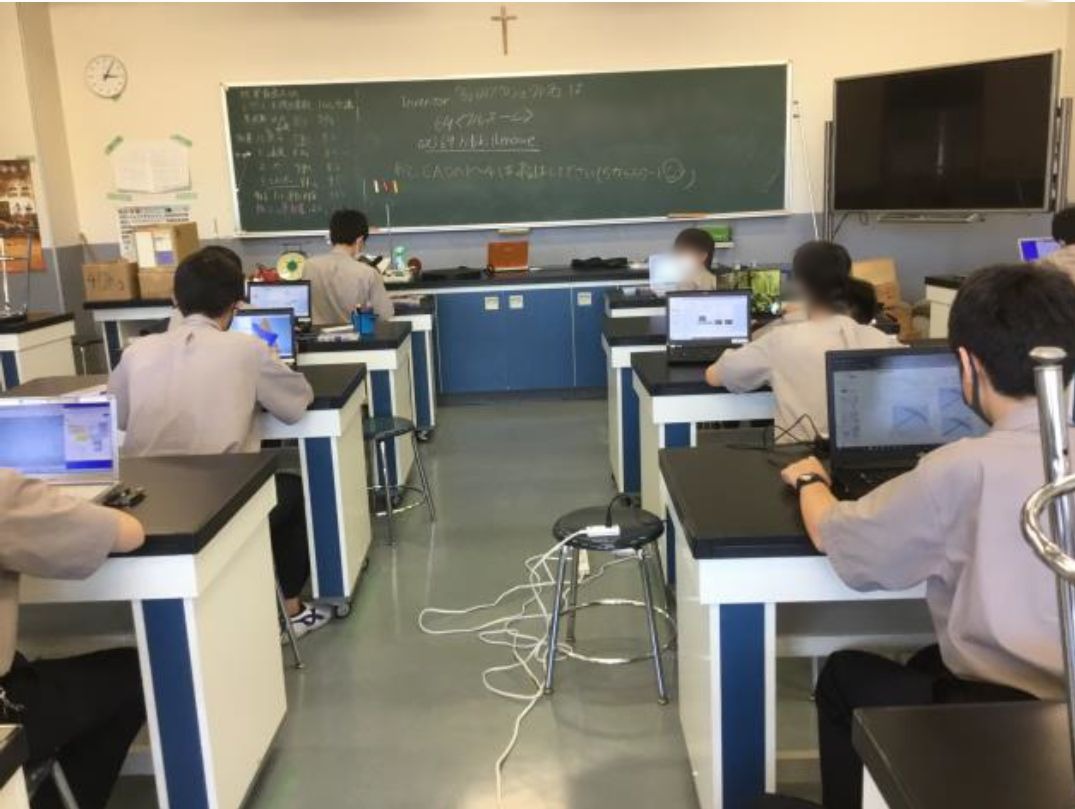 The 3D CAD course in progress
 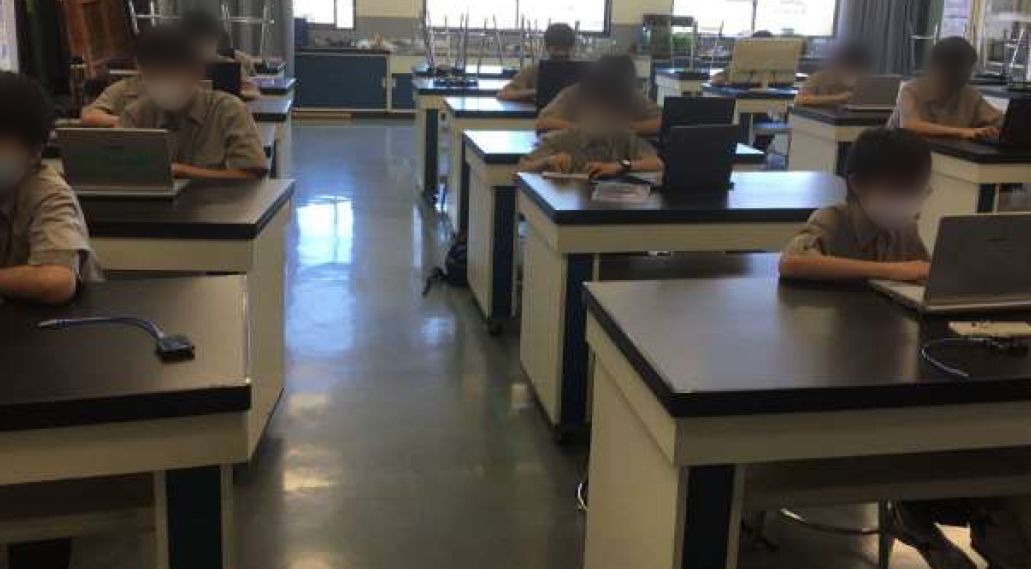 A lesson in the science room